
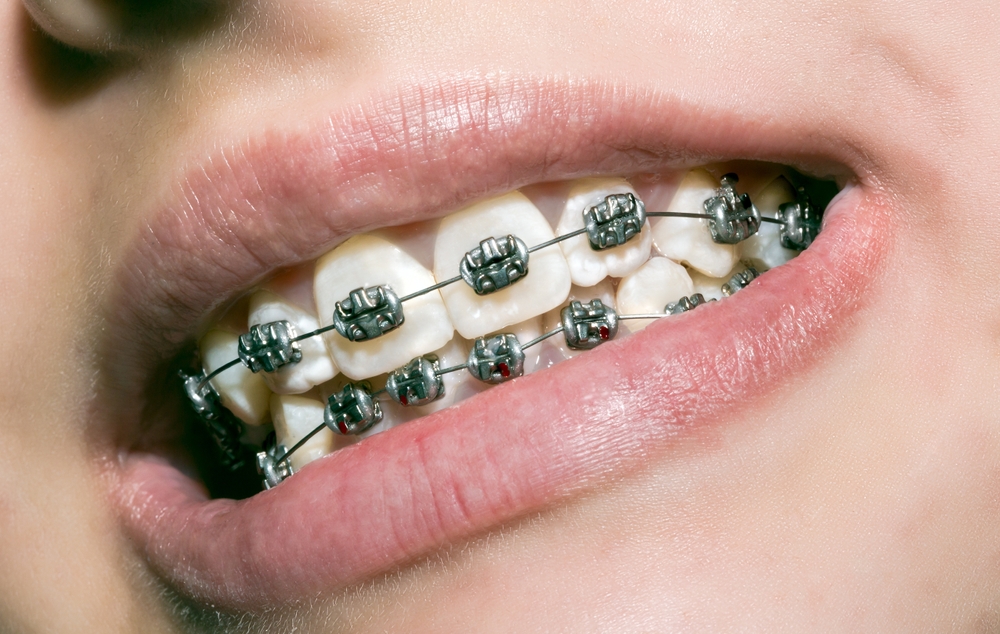
Traditional braces are a reliable way to straighten crowded, crooked, or misaligned teeth and improve your bite. At Trailridge Family Dental in Parma, Idaho, Dr. Allan Stevenson, Dr. Jack Klure, and Dr. Benjamin Hulbert help teens and adults understand their orthodontic options and what to expect throughout treatment.
Our office is designed to make visits more comfortable, with amenities such as aromatherapy, weighted blankets, streaming services, and a smartphone charging station. If you are considering braces for yourself or your child, here is what you should know about how treatment works, who may benefit, and what the process involves.
What Are Traditional Braces?
Traditional braces use metal brackets bonded to the teeth and connected by an archwire. Over time, gentle pressure from the wire gradually moves the teeth into healthier, more aligned positions.
Metal braces can help correct several common orthodontic concerns, including:
- Crowded teeth
- Gaps between teeth
- Rotated or crooked teeth
- Certain bite alignment problems
Your dental team monitors progress throughout treatment using tools such as an intraoral camera and periodic X-rays when needed. Trailridge Family Dental also offers additional orthodontic treatment options depending on your needs.
How Do Traditional Braces Work?
Treatment begins with an exam and digital impressions using 3D technology. Once the braces are placed, the archwire applies gentle, controlled pressure to the teeth. As treatment progresses, the surrounding bone gradually adapts, allowing the teeth to move into new positions.
Follow-up appointments are typically scheduled about every six to eight weeks. During these visits, your dental team can adjust the wires, monitor your progress, and make changes to your treatment plan when necessary.
Good oral hygiene is especially important while wearing braces. Patients should brush carefully around brackets, floss beneath the archwire using a floss threader or another recommended tool, and avoid foods that could damage the brackets or wires.
For patients who feel anxious during dental visits, Trailridge Family Dental offers comfort options including nitrous oxide, stress balls, and streaming TVs.
Who Is a Good Candidate for Traditional Braces?
Many healthy teens and adults can benefit from traditional braces. They may be recommended for patients with crowded teeth, gaps, rotated teeth, or certain bite problems.
Before beginning orthodontic treatment, your doctors will evaluate the health of your teeth and gums. Cavities, gum disease, or other oral health concerns may need to be treated first. When necessary, treatment can also be coordinated with restorative dentistry.
Some patients with more complex jaw or bite concerns may need additional appliances or coordinated care with another dental specialist. Your treatment plan will depend on your individual needs.
Benefits of Traditional Braces
Traditional braces can provide both functional and cosmetic benefits. Depending on your treatment needs, braces may help:
- Improve the alignment of your bite and make chewing more comfortable.
- Close gaps where food may become trapped.
- Straighten crowded teeth and make brushing and flossing easier.
- Improve overall tooth alignment and the appearance of the smile.
- Create a more balanced foundation for additional cosmetic dentistry if desired after orthodontic treatment.
Your doctors will explain which improvements are realistic for your specific case before treatment begins.
What to Expect During Treatment
Most patients follow a similar treatment sequence, although the exact plan varies from person to person.
- An exam, imaging, and digital impressions
- Placement of brackets and the first archwire
- Follow-up visits approximately every six to eight weeks
- Adjustments such as new wires or elastics when needed
- Removal of the braces once treatment is complete
- Retainer fitting to help maintain your results
Traditional braces often require about 12 to 24 months of treatment, although more complex cases may take longer. Your doctors will provide a personalized estimate based on your teeth, bite, and treatment goals.
Caring for Your Braces
Keeping your teeth clean during orthodontic treatment helps reduce the risk of cavities, gum irritation, and white spots around the brackets.
Brush thoroughly after meals when possible, paying close attention to the areas around the brackets and gumline. Fluoride toothpaste can help protect the enamel, and floss threaders or other orthodontic flossing tools can make it easier to clean beneath the archwire.
You should also avoid foods that may bend wires or loosen brackets, including very hard, sticky, or chewy foods.
If a bracket becomes loose or a wire causes irritation, contact Trailridge Family Dental so the team can recommend the appropriate next step.
Frequently Asked Questions About Traditional Braces
Do traditional braces hurt?
Traditional braces can cause temporary soreness or pressure, especially after they are first placed or adjusted. Discomfort typically improves within a few days.
Orthodontic wax can help protect your cheeks and lips from irritation caused by brackets or wires. Trailridge Family Dental also offers comfort options such as nitrous oxide and warm towels during visits.
If pain becomes severe or you notice significant swelling, contact the office for guidance.
How long do traditional braces take?
Traditional braces commonly take about 12 to 24 months, although treatment length depends on the complexity of your case and how your teeth respond to treatment.
Your doctors will provide an estimated timeline before treatment begins and monitor your progress at each visit.
How often do you need appointments with braces?
Most patients return for follow-up appointments about every six to eight weeks.
These visits allow your dental team to adjust the braces and monitor tooth movement. Some appointments may take longer if wires, elastics, or other components need to be changed.
Can braces damage your teeth?
Braces themselves generally do not damage healthy teeth, but plaque can accumulate around brackets, increasing the risk of cavities, gum inflammation, and white spots if oral hygiene is poor.
Careful brushing, flossing, and regular dental checkups can help protect your teeth throughout treatment.
Can adults get traditional braces?
Yes. Many adults are candidates for traditional braces.
Braces can help adults address crowded teeth, gaps, and bite concerns just as they can for teens. Treatment recommendations and timelines vary based on your oral health and the complexity of your case.
What foods should you avoid with braces?
Patients with braces should avoid very hard, sticky, or chewy foods that could loosen brackets or bend wires.
Your dental team can provide more specific eating recommendations based on your treatment.
What happens after braces are removed?
After your braces are removed, your teeth are polished, and you will be fitted for a retainer.
Retainers help prevent your teeth from shifting back toward their previous positions. Depending on your case, your doctor may recommend wearing the retainer full-time at first or primarily at night.
Regular dental checkups and preventive care remain important after orthodontic treatment is complete.
Schedule a Traditional Braces Consultation in Parma, Idaho
If you are considering traditional braces in Parma, Trailridge Family Dental can help you understand your options and determine whether braces are appropriate for your needs.
You can learn more about Dr. Allan Stevenson, Dr. Jack Klure, and Dr. Benjamin Hulbert before your visit. Trailridge Family Dental is conveniently located in Parma, Idaho, and offers several payment options. Patients can also explore the practice’s in-office savings plan for additional value.
Amenities, including aromatherapy, weighted blankets, hot paraffin hand wax, streaming services, and a smartphone charging station, are available to help make appointments more comfortable.
When you are ready to discuss your smile or your child’s orthodontic needs, request an appointment with Trailridge Family Dental.